
Back to School, Back to Nature
- Maia Galmés Feuer

- Sep 30, 2025
- 5 min read
After two years, we conclude our Youth Engagement Project while setting the ground for future work with youth and environmental education

For many, September is the start of classes, new classmates, and getting back into routine. The same is true for children in Bolivia. But education is not only about classrooms and books, it is also about nature.
Since 2023, Aktion Amazonas has been working to strengthen youth engagement and environmental education in Bolivia. Together with our local partners Conservación Amazónica (ACEAA) and Fundación para la Conservación del Bosque Chiquitano (FCBC), the project has focused on equipping young people, teachers, and local communities with the knowledge and tools needed to protect forests and biodiversity, while also creating spaces where youth can make their voices heard.
Why We Started
Deforestation remains one of the most pressing threats to Bolivia’s forests. Corruption is one of its drivers, as it undermines public investment in education and weakens conservation efforts. Another critical factor is the lack of educational opportunities and professional skills in rural and indigenous communities. Without access to knowledge and tools, these communities are often unable to resist when extractive companies encroach on their forests.


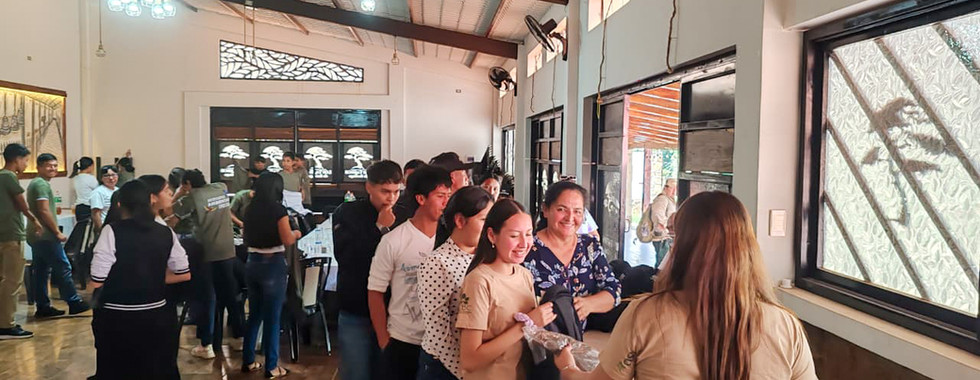


Camila, a 14-year-old young environmental promoter from Santa Cruz describes:
“I decided to be part of the environmental promoters group because it caught my attention, especially when I saw the problems caused by wildfires. It felt essential to belong to a group that helps nature. I wanted to learn more about our culture and about how to take care of our environment for future generations”.
By strengthening young people’s knowledge about nature conservation and creating opportunities for them to take part in decision-making, we have aimed to build a stronger foundation for protecting forests. The project also sought to empower teachers and communities with new learning resources that go beyond traditional lessons in reading, writing, and arithmetic. By introducing environmental content into education, we worked to raise awareness and spread knowledge about nature across schools and the wider public.
What We Did
With the support of our partners and the engagement of local communities, the project was implemented in 11 communities located in two important forest corridors in the Bolivian departments of Pando and Santa Cruz. These regions are home to rich biodiversity, including jaguars, giant armadillos, and many species essential for local food security.
Over two years, around 800 people, including students, teachers, and park rangers, directly participated in activities, and an estimated 3,000 others benefited from the outreach efforts.
Camila, 14 years old, explains that many of the activities she has taken part in as an Environmental Promoter involve workshops and creative sessions with children, where she teaches them about the value of nature through theatre and other arts. She adds:
“Children take the lessons they learn home and share them. They teach their parents, their siblings, and their whole families. When you train a child, that child can multiply that knowledge in their home and community”.


Some of the main activities included:
Formation of youth groups dedicated to nature conservation, called Environmental Promoters. These groups were trained to become leaders in their communities and to represent their peers before local authorities and decision-making spaces. Their training covered active participation in community decision forums, media and communication skills, and the development of proposals to benefit nature conservation and the sustainable use of community resources.
Kimberly is a 17-year-old environmental promoter from Pando. She explains:
“I’ve been taught to take care of my environment. At first, I did not know much about [nature conservation] and I did not participate. But once I joined the environmental promoters, it opened my eyes. We are the future of our country, and I realized we are also the future of our environment.”
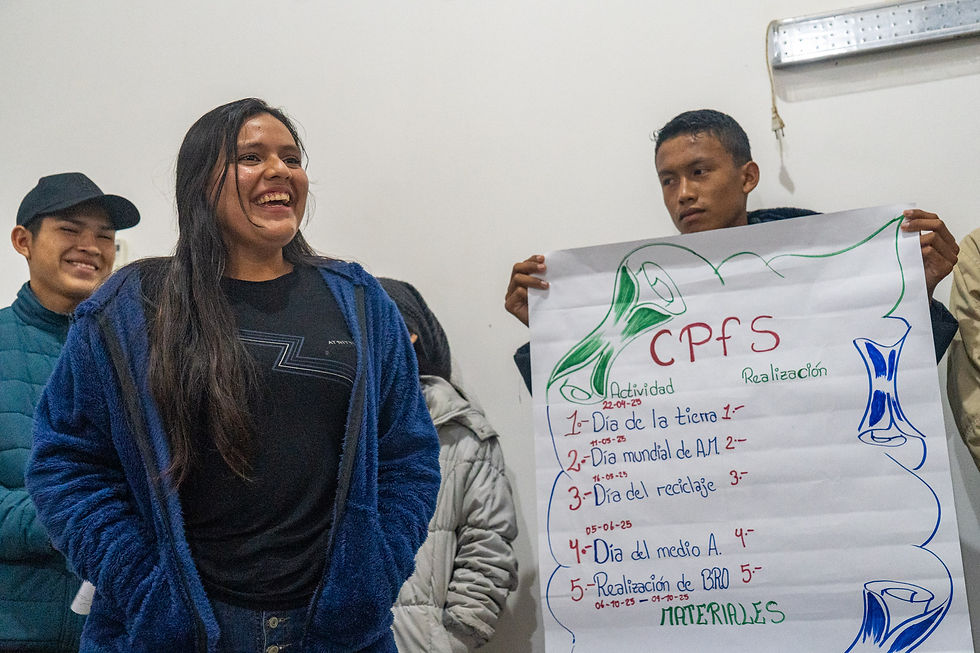
Kimberly, a 17-year-old Environmental Promoter, during an exchange trip in Pando. // CREDIT: FCBC. Organization of exchange trips for young people who had never left their communities before, giving them the chance to learn from the experiences of other youth and communities engaged in environmental conservation.

Establishment of three Environmental Study Centers (two in Pando and one in Santa Cruz) and the renovation of another. These centers were equipped with essential supplies and durable educational materials to ensure sustainability. They now provide access to valuable printed resources for all community members and neighboring villages.


Implementation of environmental education circuits in the communities. These activities helped spread vital knowledge about native species of animals and plants, strengthening local conservation and territorial protection.

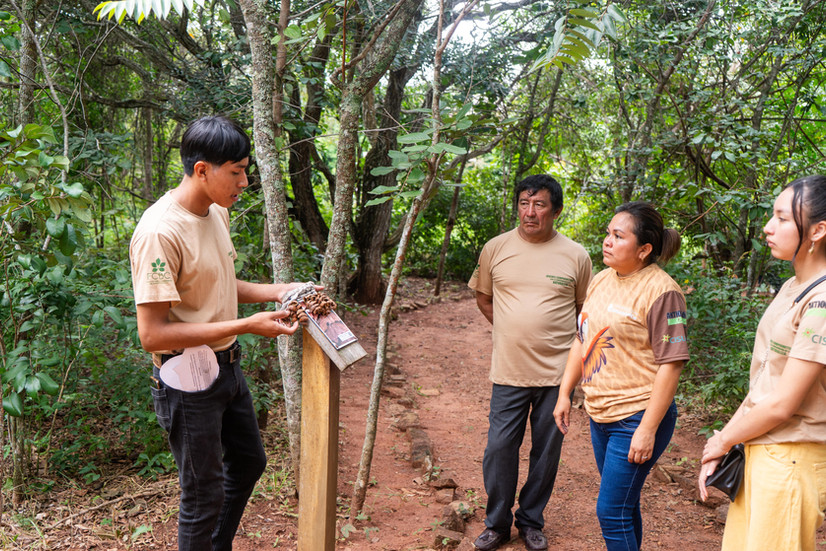


Development of an Environmental Education Guide for secondary-level teachers, accompanied by student activity materials. The guide, based on the Teaching of Ecology in the School Yard methodology, will be printed for project schools and made available online. Teachers also received training to ensure the long-term integration of environmental education in community schools.
Training and involvement of young people in public debates and local media outlets, giving them the tools to make their ideas and proposals heard by local and departmental authorities.


Achievements and Impact
The project has already achieved concrete results. Youth groups took the lead in advocacy efforts, presenting ideas and proposals to local and departmental authorities. Among the many accomplishments, their initiatives led to:
The incorporation of the Chiquitano Forest Day into the official calendar of Santa Cruz.
A proposal for a new Environmental Education curriculum in schools in Pando, which continues to receive follow-up and support from our local partners.
These steps show how young people, once equipped with knowledge and skills, can bring their voices into decision-making spaces and shape the future of their territories.
Looking Ahead
This project ends just as the world marked the International Day for Universal Access to Information on September 28. At Aktion Amazonas, we are proud to contribute to the right to information by ensuring that young people and communities in Bolivia have access to knowledge and tools to protect their forests and their future.
That is why Aktion Amazonas will continue working with engaged youth and communities in Bolivia. The environmental study centers and the youth groups established during this time are not an ending point but a foundation for continued action.
We believe that when young people are included, they bring creativity, commitment, and courage to conservation efforts. The seeds planted through this project will continue to grow.


Comments